
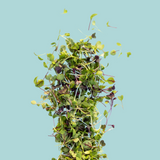









The short answer is simple: almost nothing goes to waste.
But the full answer is far more interesting.
When working with fresh produce, especially microgreens, flowers, and specialty leaves, quality is often found in the details. A microgreen can be perfectly healthy, tasty, and nutritious, but may have grown past the ideal size our clients look for. It hasn't stopped being good; it simply no longer fits the strict standard we have set.
This is precisely where the story of what we call our "rejects" begins.
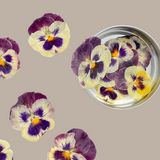
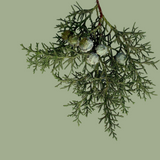
The production leftovers of our microgreens are sent for composting. Instead of becoming waste, they return to the ground as organic matter, helping to nourish new production cycles. Meanwhile, leftover flowers and leaves are incorporated directly into the farm's soil, helping to improve its structure, fertility, and water retention capacity.
In a way, what we grow ends up feeding the next crops. The cycle closes. What can no longer head to a plate today helps to produce new microgreens, new flowers, and new leaves tomorrow.
But there is another type of surplus that truly makes us think.
A perfect example is our courgettes. The chefs we work with look for them small, tender, and with very specific characteristics. That is the product we grow, and that is what makes sense within what Microgreens represents.
Naturally, some courgettes continue to grow past that specific point.
We could sell them. We could create a parallel sales channel. We could look for other ways to clear the stock. But the truth is, that is not where our focus lies.
Therefore, we chose to do something that seems far more useful: donate them to social institutions.
It is a simple decision. The courgettes are still excellent for consumption, perfectly fresh, and still have high nutritional value. Since we are not going to use them commercially, it makes total sense to us that they are put to good use by those who need them most.
Ultimately, we look at these products the same way we look at everything else we cultivate: for the value they possess, and not just for the value we manage to sell.
We live in an era where sustainability is talked about a lot. And rightly so.
But we believe that sustainability is rarely down to grand gestures. More often than not, it is simply the sum of small choices made every day. Choices that prevent waste, return nutrients to the soil, extend a product's utility, and strive to find the best possible destination for everything we grow.
Because cultivating implies responsibility. And that responsibility does not end when the harvest is over.
1 comment
This is excellent, Gil!
I love every aspect of how your company “recycles” all the products, especially that you donate the excess/unused zucchini to those who can use them. :)
Abraços to all of the Microgreens Team!
Lynn